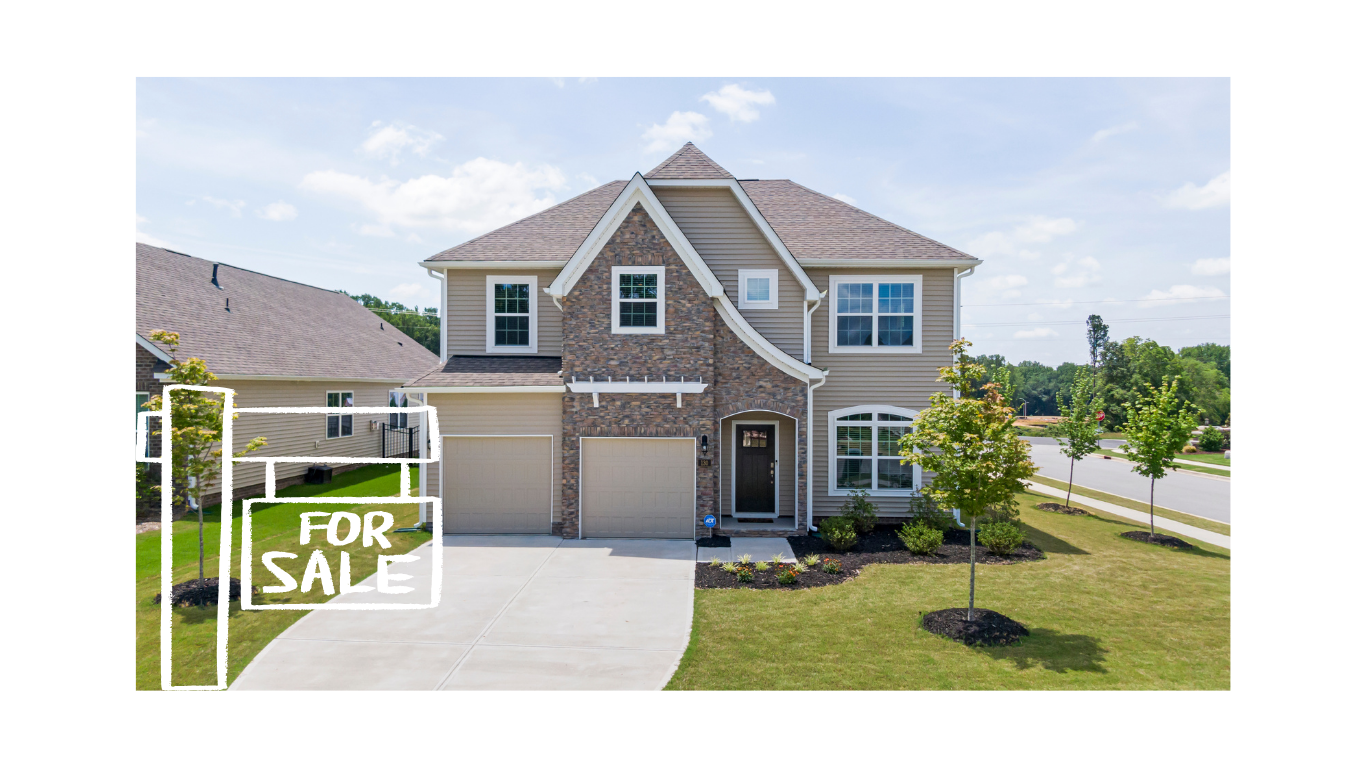
Buying your first home is exciting—but it can also feel overwhelming. With so many steps, decisions, and financial factors, it’s easy to get lost in the process. Whether you’re buying in Pittsburgh or anywhere else, this guide breaks it down so you feel informed and empowered every step of the way.
1. 🧭 Know What You Can Afford
Before you fall in love with a house, figure out how much you can comfortably spend.
Pro tip: Use the 28/36 Rule—ideally, your housing costs should be no more than 28% of your gross income, and total debt no more than 36%.
2. 🏦 Get Pre-Approved for a Mortgage
A pre-approval letter shows sellers you’re serious—and helps you move fast when you find the right house.
You’ll need:
Proof of income (pay stubs, tax returns)
Credit score (aim for 670+ for conventional loans; 580+ for FHA)
Employment history
Bank statements
Types of loans to consider:
FHA (low down payment)
Conventional
VA or USDA (if eligible)
3. 🏘️ Choose the Right Location
Location impacts lifestyle, resale value, and appreciation.
In Pittsburgh, consider:
School districts
Commute time
Walkability and safety
Future developments (like Hazelwood Green or Uptown EcoInnovation District)
Pro tip: Visit neighborhoods at different times of day to get a true feel.
4. 🔍 Work With a Great Agent
A buyer’s agent helps you:
Find listings
Negotiate price and repairs
Avoid costly mistakes
Navigate inspections and paperwork
5. 🛠️ Don’t Skip the Home Inspection
Even if the house looks perfect, always get an inspection.
Common issues found in Pittsburgh homes:
Older electrical systems (knob and tube)
Foundation cracks
Roof and gutter issues
Aging furnaces or boilers
Tip: Use the inspection report to negotiate repairs or a price reduction.
6. 📝 Understand the Paperwork
There’s a lot of legal and financial paperwork in a home purchase. Make sure you understand:
Purchase agreement terms
Contingencies (financing, appraisal, inspection)
Title insurance
Homeowners insurance
Closing disclosures
Ask your agent or lender to explain anything that’s unclear—this is your investment.
7. 🔑 Prepare for Closing Day and Beyond
On closing day, you’ll sign final documents and get the keys. Then comes:
Setting up utilities
Moving in
Making a maintenance plan (budget for future repairs)
Building equity and enjoying your home!
Final Thought 💬
Buying your first home is a journey—but you don’t have to do it alone. With the right education, guidance, and support team, you’ll make confident decisions and find the home that fits your life.